Napa highlight
Heart of Napa Valley wine country
The Napa Valley wine region was designated an American Viticultural Area in 1981 and produces roughly 2 percent of all United States wine at premium quality.
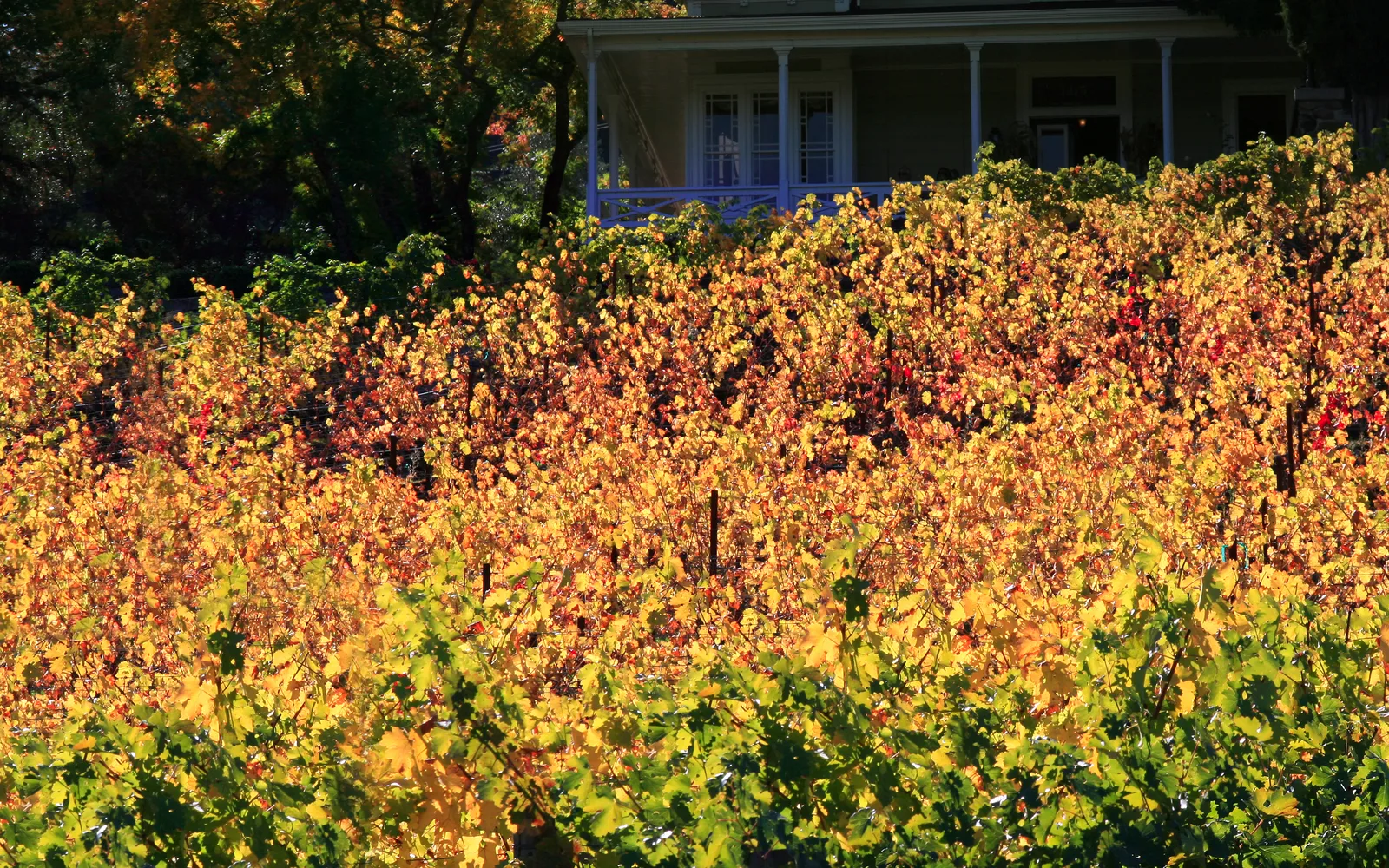
The first grapevines in Napa Valley were planted in 1836 by George Calvert Yount in the area that became Yountville. The first commercial winery, Charles Krug, opened in 1861 and operates today, followed by historic houses like Schramsberg in 1862 and Beringer Brothers in 1876. The valley's reputation grew from the climate, volcanic soil and elevation that favor slow ripening and complexity.
In 1968, Napa County established America's first agricultural preserve, protecting 23,000 acres at the time and eventually safeguarding more than 31,000 acres from conversion. The preserve remains the regulatory model for agricultural protection nationwide. The Napa Valley American Viticultural Area was formally designated on January 28, 1981, and includes 15 officially recognized sub-appellations, each with its own climate and character.
Wine families and vineyard owners often plan for the future of their operations and the people who work in them. A term policy sized to the business and the years of peak operation offers a safety net if something happens to a key person. Life insurance lets families decide whether to carry on the work, sell the vineyard, or take a different path, rather than having circumstances force the choice.